
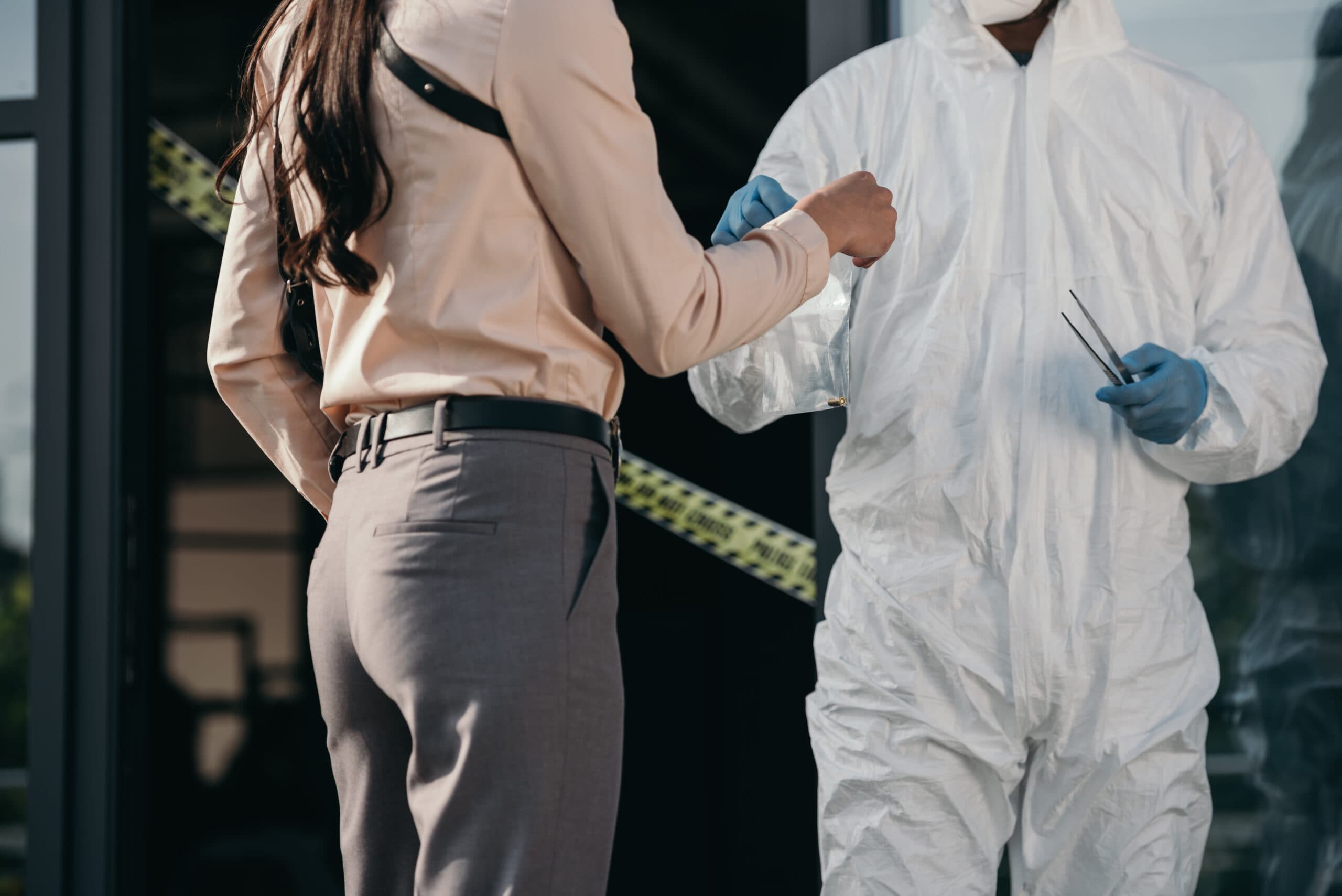
Forensic DNA Testing
Forensic DNA testing extracts and analyzes DNA from non-standard samples when a traditional cheek swab is not available. This specialized service allows biological relationships and identity to be established using everyday items such as hair, toothbrushes, fingernails, clothing, and other personal belongings that contain traces of DNA. TestMark DNA partners with accredited laboratories equipped with advanced extraction techniques to process these challenging samples.
When Forensic DNA Testing Is Needed
Forensic DNA testing becomes necessary when one or more participants cannot provide a standard buccal swab sample. The most common scenario involves a deceased individual whose biological relationship needs to be confirmed. When a father passes away before paternity is established, personal items containing his DNA may be the only available source of genetic material for comparison.
Other situations that call for forensic testing include cases where an individual is missing, incapacitated, or otherwise unable to provide a sample. Estate and probate disputes frequently rely on forensic DNA testing when a claimant needs to prove biological relationship to a deceased person. Law enforcement and attorneys may also request forensic DNA analysis to support their cases.
Some clients choose forensic testing for discretion. If collecting a DNA sample must be done without the knowledge of the person being tested, items they have used or discarded may provide a viable DNA source. It is important to understand that legal tests require chain-of-custody documentation and informed consent from all parties, so discreet sample collection is typically limited to personal knowledge tests.
Accepted Forensic Sample Types
The laboratory can attempt DNA extraction from a wide variety of sample types. Different samples have different success rates based on the amount of biological material they contain and how well the DNA has been preserved.
High Success Rate
- Toothbrush (recently used)
- Razor with visible residue
- Fingernail clippings
- Blood stains on fabric or paper
- Used tissues or bandages
- Hair with root bulb attached
- Dental floss (recently used)
Moderate Success Rate
- Cigarette butts
- Chewed gum
- Drinking straws or cup rims
- Licked envelopes or stamps
- Earwax on earbuds
- Worn clothing (collar, hat band)
- Eyeglasses (nose pads)
Hair samples deserve special mention. Hair strands that have been pulled out with the root (follicle) attached contain nuclear DNA and are excellent for testing. Cut hair without the root contains only mitochondrial DNA, which has more limited testing applications. When collecting hair, look for strands with a visible bulb at the end.
How to Handle Forensic Samples
Proper handling of forensic samples is essential to preserve DNA integrity. Contamination, moisture, and heat are the primary threats to DNA in forensic samples. Follow these guidelines when collecting and storing items for forensic DNA testing:
Always wear clean gloves or use a clean paper towel when handling the item to avoid transferring your own DNA onto the sample. Place the item in a clean paper envelope or paper bag - never use plastic bags or plastic containers, as they trap moisture and create conditions that accelerate DNA degradation through bacterial growth.
Store the packaged sample at room temperature in a dry location away from direct sunlight. Do not attempt to clean, dry, or otherwise alter the sample. Label the package with the date collected and the name of the person the sample belongs to. Contact TestMark DNA before shipping any forensic samples so we can provide specific handling and shipping instructions for your sample type.
The sooner a forensic sample reaches the laboratory, the better the chance of successful DNA extraction. DNA degrades over time, and fresher samples consistently yield better results. If you have multiple potential samples available, contact us to discuss which ones are most likely to produce usable DNA.
The Laboratory Process
Forensic DNA extraction requires specialized laboratory techniques beyond those used for standard buccal swab processing. Laboratory technicians use targeted extraction methods designed for the specific sample type submitted. Once DNA is successfully isolated, it undergoes the same rigorous STR marker analysis used in all relationship DNA testing.
If the initial extraction attempt does not yield sufficient DNA, the laboratory may attempt a second extraction using alternative techniques. TestMark DNA keeps you informed throughout the process and will advise you immediately if a sample cannot be processed. In such cases, we can discuss alternative sample options or additional family members who might participate in testing to achieve your goal.
Get Expert Guidance on Your Forensic Sample
Call TestMark DNA for a free consultation. We will evaluate your available samples, explain the likelihood of successful extraction, and guide you through the forensic testing process.
Call for a Free Consultation